Slow Down, Cash Out Less: The Case Against the Five-Minute Casino Session

Photo: Daniel Case, CC BY-SA 3.0, via Wikimedia Commons
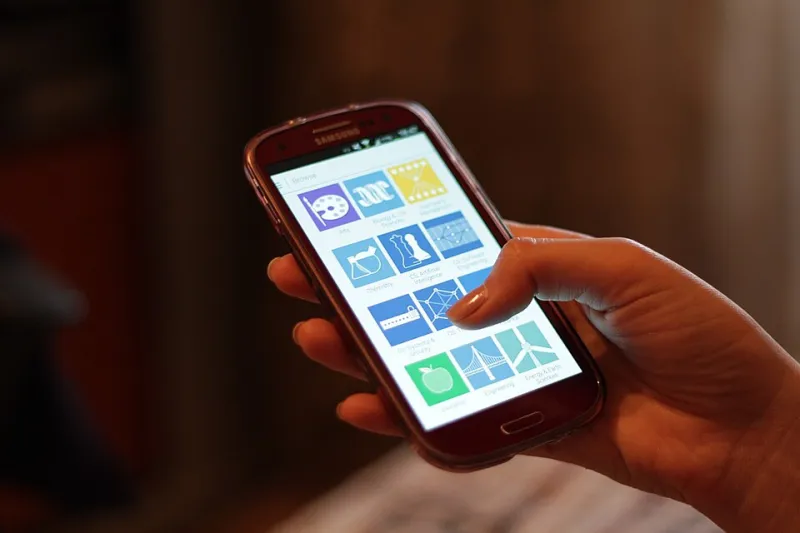
There's a moment every regular player knows. You've got nine minutes before your ride shows up. You open the app, drop forty bucks on a slot, and by the time the car's outside, the money's gone and you're not even sure which games you played.
That moment is the whole problem.
The Convenience Tax Nobody Talks About
For years, the industry message has been the same: play anywhere, anytime, in the palm of your hand. And technically, that's true — you can. But nobody asks whether you should.
A planned night out — dinner, a few hours at a table, a set budget — has built-in friction. You drive there. You decide how much to bring. You have a natural endpoint. Those little speed bumps are doing quiet, unpaid work for your bankroll.
The five-minute session has none of that. No travel, no planning, no natural stopping point. Just an open tab and a bored brain. Research on decision-making keeps landing on the same conclusion: impulsive choices get worse when there's no structure around them. Micro-sessions are structure-free by design.
And here's the kicker — a bunch of small sessions often costs more than one long one. Twenty dollars here, thirty there, another fifteen while waiting for coffee. Individually, each one feels trivial. Add up a month of them and you've spent more than you ever would on a single deliberate night of play.
Why Short Sessions Feel Safer Than They Are
The psychology is sneaky. A long session feels like a bigger commitment, so you budget for it. A two-minute spin feels like it barely counts, so your guard drops exactly when your discipline matters most.
There's also the unfinished-business effect. A short session rarely ends on your terms — it ends because something interrupted you. That leaves a little itch to come back and 'finish what you started,' which is a terrible reason to deposit.
The Slow Betting Counter-Movement
A growing group of players is pushing back with something you could call slow betting. The idea isn't to play more — it's to play deliberately. Fewer sessions, better ones.
Here's a simple framework for structuring intentional play windows:
- Pick your window in advance. Not 'sometime tonight.' Saturday, 8 to 10 p.m. Write it down if you have to.
- Set the budget for the window, not the session. One number, decided while you're calm, before the app is open.
- Create artificial friction. Log out when you're done. Delete the shortcut from your home screen. Make the impulsive version of play slightly annoying.
- End on a decision, not a distraction. When the window closes, close the app — win or lose. Don't let a phone call be your discipline.
- Keep a session log. Even a notes-app tally of date, amount, and result. Impulse sessions wither under daylight.
Trade the All-Nighter Myth for the Planned Session
This isn't an argument for marathon sessions, either. Grinding until 3 a.m. has its own well-documented problems. The point is that one planned session beats six accidental ones — for your budget, your head, and honestly, your enjoyment.
When you sit down knowing it's your window, with a number you chose, the play gets lighter. You're not chasing the twenty bucks you frittered away Tuesday in a parking lot. You're just playing.
Convenience is a feature of the platform. Intentionality is a feature of the player. Build the second one, and the first one stops being a trap.
Set your window. Set your number. Then close the app until it's actually time.