When the Whole Family's Watching: A Survivor's Guide to Holiday Sports Betting
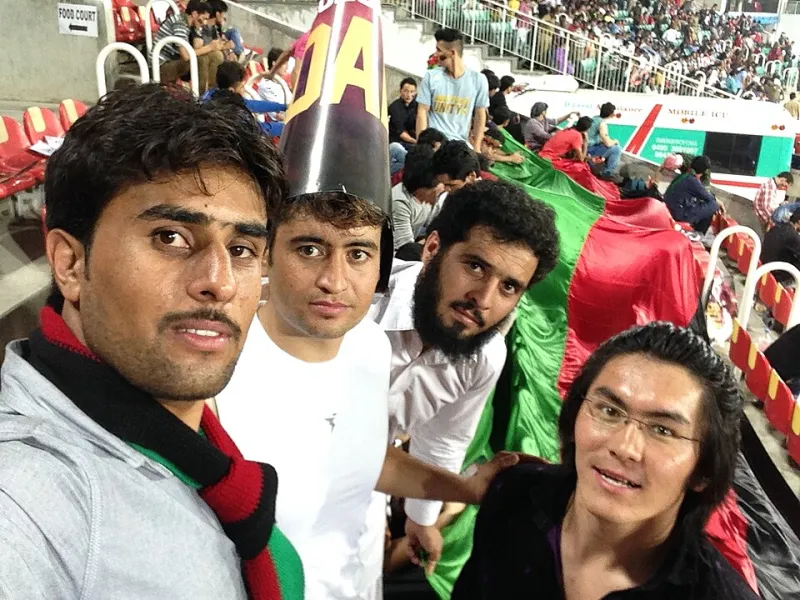
Photo: Ajazulhaq Afghan and my friends watching India vs Afghanistan final match of football in kerla India, CC BY-SA 4.0, via Wikimedia Commons
Holiday sports betting is its own animal. The books are packed, your uncle has a five-leg parlay he won't stop explaining, and half the money on the board came from people who haven't watched a down since last February. That changes how lines move — and if you understand why, the biggest betting days of the year get a lot more interesting.
Why Holiday Lines Behave Differently
Casual money doesn't bet like sharp money. Recreational bettors lean toward favorites, big names, and overs — everyone wants to watch points, so everyone bets the over. Books know this and shade lines accordingly, which means holiday favorites are often priced a point or two worse than they would be on a random Tuesday.
Add in the schedule itself: short prep weeks, travel fatigue, weird kickoff times, and rotations of backup players who didn't expect to see the field. Volatility goes up, and volatility is where disciplined bettors either find value or donate.
Thanksgiving: The Crown Jewel of Crowded Boards
The NFL's Thanksgiving tripleheader is the single biggest casual-money day of the fall. Three games, all on national TV, all with inflated handle.
Where the crowd is usually wrong: laying big numbers with popular favorites. Casual bettors love the Cowboys and Chiefs on Thanksgiving regardless of the price, so the line often drifts past fair value. The underdog side in a marquee turkey-day game has historically offered better pricing than the public darling.
Where the crowd is often right: totals. Short-week offenses with limited prep do tend to sputter, and second-half scoring can dip as rotations deepen. Don't fade the under just because it's the popular side — sometimes popular is popular for a reason.
The prop angle: player props get sloppy pricing on holidays because books are managing massive volume. That's one of the few spots where casual flood actually helps a prepared bettor.
March Madness: The Watch-Party Economy
The first weekend of the NCAA tournament is basically a national holiday. Office pools, bracket squares, and four games running at once.
Best opportunity: early-round underdogs against public seeds. Casual bettors pick by logo and seed number, so 12-vs-5 upsets get underpriced in the money — even when the analytics say the dog is live.
Worst trap: betting every game because every game is on. The tournament's volume is the trap. Pick your two or three spots per day and let the rest of the board go.
The Super Bowl and Other Party Markets
The Big Game is the strangest line of the year — props on the coin toss, national anthem length, color of the Gatorade. These markets are pure entertainment pricing, and the vig is steep. Treat them as party expenses, not investments.
Rules for Betting When Everyone's Watching
- Fade the logo money, not the logic. When a line moves against a popular team despite no injury news, the sharps are probably on the other side.
- Bet early or bet late, never in the middle. Opening lines carry sharp influence; closing lines carry maximum information. The middle is where public money has done the most damage.
- Cap your holiday budget separately. Festive atmosphere is engineered to loosen grip on the wallet. Decide your number before the family arrives.
- Skip the parlay your uncle is selling. Correlated holiday parlays at the sportsbook bar are the house's favorite tradition.
Holidays are the best days of the year to watch sports with people you love. They can be good betting days too — but only if you remember that when everyone's watching, the line already knows it.